Panasonic ducted air conditioning offers efficient climate control with inverter technology, R410A refrigerant, and smart connectivity․ Units such as S‑71PE3R and S‑100PE3R feature nanoe™ X purification and Wi‑Fi enabled Conex Zone Controller for seamless operation․ in homes and offices worldwide․

Safety and Compliance Requirements
Before installing a Panasonic ducted air‑conditioning system, observe all safety and compliance requirements․ The unit must be installed by a dealer or qualified installer only; the instruction booklet contains mandatory safety precautions that cannot be omitted․ The system operates on R410A refrigerant, requiring proper handling, leak detection, and recovery procedures․ All electrical connections must be performed by a certified electrician, ensuring the supply voltage, phase, and grounding meet the manufacturer’s specifications and local code․ The minimum circuit breaker rating is 30 A for the 3‑way models, and a dedicated 120 V/240 V supply is mandatory․ The unit’s mounting bracket must be secured to a structural member that can support the rated load; the mounting height must allow for a minimum clearance of 1 m above the floor to accommodate the air‑intake and exhaust․ The installation area must be free of combustible materials within a 0․5 m radius of the unit’s external vents․ The user must verify that the air‑flow path is unobstructed and that the ductwork is sealed to prevent leakage․ The system’s safety interlocks, such as the highstaticpressure switch and the lowtemperature cutoff, are designed to shut down operation automatically if unsafe conditions arise․ Compliance with IEC 60335‑2‑73 standard for household and similar electrical appliances, as well as local building codes, is mandatory․ Failure to adhere to these requirements may result in voided warranty, electrical hazards, or environmental damage; Always follow the “IMPORTANT! Please Read Before Starting” section of the manual, and keep a copy of the installation certificate in the unit’s service log for future reference․ in full compliance now․
Before installing a Panasonic ducted air‑conditioning system, observe all safety and compliance requirements․ The unit must be installed by a dealer or qualified installer only; the instruction booklet contains mandatory safety precautions that cannot be omitted․ The system operates on R410A refrigerant, requiring proper handling, leak detection, and recovery procedures․ All electrical connections must be performed by a certified electrician, ensuring the supply voltage, phase, and grounding meet the manufacturer’s specifications and local code․ The minimum circuit breaker rating is 30 A for the 3‑way models, and a dedicated 120 V/240 V supply is mandatory․ The unit’s mounting bracket must be secured to a structural member that can support the rated load; the mounting height must allow for a minimum clearance of 1 m above the floor to accommodate the air‑intake and exhaust․ The installation area must be free of combustible materials within a 0․5 m radius of the unit’s external vents․ The user must verify that the air‑flow path is unobstructed and that the ductwork is sealed to prevent leakage․ The system’s safety interlocks, such as the highstaticpressure switch and the lowtemperature cutoff, are designed to shut down operation automatically if unsafe conditions arise․ Compliance with IEC 60335‑2‑73 standard for household and similar electrical appliances, as well as local building codes, is mandatory․ Failure to adhere to these requirements may result in voided warranty, electrical hazards, or environmental damage․ Always follow the “IMPORTANT! Please Read Before Starting” section of the manual, and keep a copy of the installation certificate in the unit’s service log for future reference․ in full compliance now․
Refrigerant and Technical Data
Panasonic ducted air‑conditioning units employ the environmentally friendly refrigerant R410A, which offers a high coefficient of performance and low global warming potential․ The S‑71PE3R model delivers a rated cooling capacity of 8․5 kW (29 kBTU/h) and a heating capacity of 9․0 kW (30 kBTU/h), while the larger S‑100PE3R and S‑125PE3R variants provide 12․0 kW and 15․0 kW respectively․ All models feature inverter‑driven compressors that adjust motor speed to match load, achieving a maximum COP of 5․8 in cooling mode and 5․5 in heating mode․ Electrical input ranges from 220‑240 V single‑phase, with a maximum current draw of 13 A for the 8․5 kW unit and 18 A for the 15 kW unit․ The units operate at ambient temperatures between 0 °C and 45 °C, with a minimum indoor temperature of –5 °C for heating․ Dimensions for the 8․5 kW model are 1,200 mm (H) × 600 mm (W) × 400 mm (D), and the weight is 55 kg․ Noise levels are measured at 45 dB(A) for the 8․5 kW unit and 48 dB(A) for the 15 kW unit, ensuring quiet operation in living spaces․ The system’s maximum airflow is 1,200 m³/h, with a minimum circulation airflow of 300 m³/h․ The refrigerant charge is 1․2 kg for the 8․5 kW model and 1․8 kg for the 15 kW model, requiring a sealed‑system recovery procedure during maintenance․ All data comply with IEC 60335‑2‑73 and local environmental regulations, and the units are CE‑marked for use in the European market․ The technical data sheet is available in PDF format on Panasonic’s support portal for reference by installers and service technicians․ It also includes a humidity sensor that automatically dehumidifies when indoor moisture exceeds 60 %, enhancing comfort․
Electrical and Power Connections
All Panasonic ducted air‑conditioning units are designed for single‑phase operation at 220‑240 V․ The 8․5 kW model draws a maximum of 13 A, while the 15 kW variant requires up to 18 A․ Wiring must use copper conductors sized to the current rating: 4 mm² for the 13 A circuit and 6 mm² for the 18 A circuit, with a minimum 10 mm² grounding conductor․ A dedicated 25 A circuit breaker protects the unit, and the neutral and ground must be bonded at the main service panel․ The control board is supplied through a 120 V/240 V split‑phase feed, with a 3‑wire connection (live, neutral, ground)․ All connections should be made with insulated terminals rated for 250 V and 63 A, and cable glands must be installed to prevent moisture ingress․ The unit’s power cord is rated for 250 V, 63 A, and must be routed to avoid sharp bends or mechanical stress․ Ground fault protection is mandatory; a residual‑current device (RCD) of 30 mA should be installed in the supply circuit․ The indoor unit is powered via a 120 V/240 V supply, and the outdoor unit receives the same voltage but with a dedicated 25 A breaker․ The system uses R410A refrigerant, which requires a sealed‑system recovery procedure during maintenance․ All installations must comply with IEC 60335‑2‑73 and local electrical codes․ The user manual provides a wiring diagram and a list of required accessories, including a 3‑phase adapter for regions that use 380 V supplies․ Proper grounding, correct cable sizing, and adherence to the specified breaker rating are essential for safe operation and to avoid over‑current damage․ A qualified electrician should perform the installation, ensuring all connections are tight, insulated, and labeled according to the manufacturer’s instructions․ The system’s inverter compressor adjusts motor speed to match load, which reduces peak power consumption and improves energy efficiency․ The electrical schematic is available in the technical data sheet, which also details the recommended cable lengths and the maximum permissible voltage drop of 3 % for optimal performance․ All electrical work must be inspected by a licensed professional before the unit is energized․ Ensure all connections are secure․ now
Ductwork Design and Installation
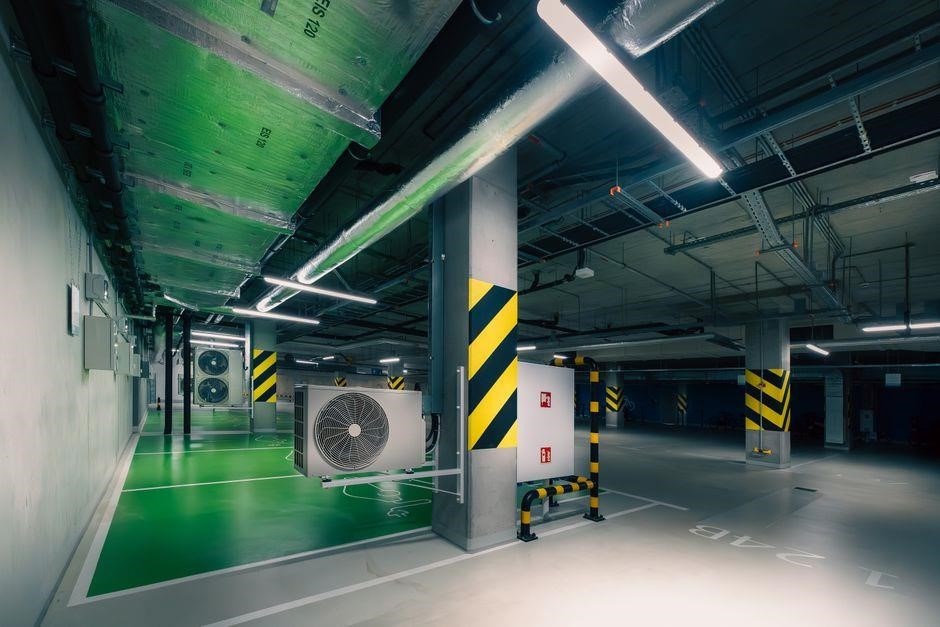
Proper ductwork design is essential for optimal performance of Panasonic ducted air‑conditioning units․ The system requires a minimum airflow (Qmin) of 250 m³/h per 1 kW of cooling capacity․ The minimum opening area (Anvmin) must be at least 0․02 m² per 1 kW․ The total conditioned area (TAmin) should not exceed 200 m² for a 15 kW unit․ Ducts should be constructed from insulated metal or high‑density polyethylene, with a minimum wall thickness of 1․5 mm․ Elbows and fittings must be 90° or 45° with a minimum radius of 200 mm to reduce pressure loss․ The supply and return ducts should be balanced, and the return path must be at least 1․5 m above the floor level․ Use a 1:1 ratio of supply to return cross‑sectional area to maintain airflow․ The installation should include a filter box before the indoor unit, and a vent hood for the outdoor unit․ Ensure all duct joints are sealed with high‑temperature silicone tape․ The design should consider the building’s thermal envelope and include a heat‑loss calculation for the duct runs․ The manual recommends a maximum duct length of 30 m for 15 kW units, with a pressure drop not exceeding 0․5 kPa․ Proper sealing and insulation of the ducts reduce energy consumption and noise․ Follow the manufacturer’s layout diagram for each model, and use the provided ducting kit for seamless connections․ The system’s fan speed is automatically adjusted by the inverter compressor to compensate for minor pressure variations․ During installation, the installer must verify that all duct joints are sealed with high‑temperature silicone tape, that the insulation meets the specified R‑value, and that the duct run length does not exceed the maximum allowed for the unit’s capacity, as detailed in the technical data sheet․ and ducts must be insulated to R‑value 3․5․!
Airflow and Room Specifications
Panasonic ducted air‑conditioning units rely on precise airflow calculations to ensure comfortable indoor temperatures and efficient energy use․ The minimum airflow (Qmin) required for a 1 kW cooling capacity is 250 m³/h, while the minimum opening area (Anvmin) for connected rooms must be at least 0․02 m² per kW․ The total conditioned area (TAmin) should not exceed 200 m² for a 15 kW unit․ Each room’s air‑change rate is determined by the room volume and the unit’s capacity, with a recommended 10–12 air changes per hour for living spaces and 8–10 for offices․ The system’s fan speed is automatically adjusted by the inverter compressor to compensate for minor pressure variations, ensuring that airflow remains within the specified range․ For optimal performance, the supply and return ducts should be balanced, with a 1:1 ratio of cross‑sectional area, and all duct joints must be sealed with high‑temperature silicone tape․ The design must also account for the building’s thermal envelope, and a heat‑loss calculation should be performed for the duct runs․ The manual specifies a maximum duct length of 30 m for a 15 kW unit, with a pressure drop not exceeding 0․5 kPa․ Proper insulation of ducts to an R‑value of 3․5 reduces energy consumption and noise․ By following these airflow and room specifications, installers can guarantee that the Panasonic system delivers consistent comfort and energy efficiency throughout the conditioned space․ The guide advises checking the filter every 30 days and scheduling professional daily servicing!!
Operating Instructions and User Guidance
Before using your Panasonic ducted air‑conditioning system, read the safety and installation sections carefully․ Turn off the mains supply and verify that the unit is properly grounded․ Press the power button on the remote or wall‑mounted control panel to start the unit․ The display will show the current mode and setpoint․ Use the up/down arrows to adjust the temperature between 16 °C and 30 °C․ The fan speed can be set to Low, Medium, or High; the inverter compressor will automatically modulate to maintain the desired temperature․ For energy‑saving operation, select Eco mode; the system will reduce fan speed and compressor duty cycle while still keeping the room within the set temperature range․ The nanoe™ X air‑purification feature can be activated by pressing the “Purify” button; it will run for 30 minutes per cycle and then pause until the next cycle․ The built‑in Wi‑Fi allows remote control via the Panasonic Conex Zone app; you can monitor indoor temperature, adjust settings, and receive maintenance alerts․ If the system displays an error code, refer to the troubleshooting section for resolution steps․ Always keep the filters clean and replace them every 90 days to maintain airflow and indoor air quality․ For safety, never attempt to open the unit’s internal components; only authorized service personnel should perform maintenance․ Follow these guidelines to ensure reliable, efficient, and safe operation of your Panasonic ducted air‑conditioning system․
Maintenance and Cleaning
Regular maintenance ensures optimal performance and longevity of your Panasonic ducted air‑conditioning system․ Begin by turning off the power at the main breaker and allowing the unit to cool for at least 30 minutes․ Remove the front panel cover using a flat‑head screwdriver, then locate the front filter․ Gently lift the filter and rinse it with lukewarm water; avoid harsh detergents that could damage the mesh․ After rinsing, let the filter dry completely before reinstalling․ Next, inspect the indoor coil for dust accumulation; use a soft brush or a vacuum with a coil attachment to remove debris․ Check the outdoor unit’s condenser fins for obstructions—clear any leaves, branches, or debris that may impede airflow․ Verify that the drainage pipe is free of blockages; a clogged drain can lead to water leakage and mold growth․ Perform a visual inspection of all wiring connections for signs of wear or corrosion; tighten any loose terminals․ Finally, reset the system’s filter‑change indicator by pressing the “Reset” button on the control panel․ Schedule professional servicing annually to examine refrigerant levels, compressor health, and electrical components․ By following these steps, you maintain efficient cooling, reduce energy consumption, and extend the life of your unit․ If you notice any unusual noise or a drop in cooling efficiency, contact Panasonic support immediately
- Check filter every 3 months․
- Inspect condenser fins monthly․
- Verify drainage pipe quarterly․
- Annual professional service․
Troubleshooting Common Issues
Check power, reset unit, inspect filters, clear ducts, verify refrigerant, listen for compressor noise, review error codes, ensure proper airflow, and contact service if problems persist․ If issues persist, schedule a professional inspection․ Contact support now․?!!!
Startup and Shutdown Procedures
Before operating the Panasonic ducted air‑conditioning system, verify that the unit is correctly wired, the refrigerant charge is within the specified range, and all safety interlocks are engaged․ Follow these step‑by‑step instructions to ensure a safe and efficient start‑up and shut‑down cycle․
- Pre‑Check: Confirm that the outdoor unit is free of debris, the fan blades rotate freely, and the indoor unit’s filter is clean․ Verify that the thermostat or remote control is set to the desired mode․
- Power On: Switch the main circuit breaker to the ON position․ The indoor display should show a standby icon․ Press the power button on the remote or wall controller; the unit will enter the warm‑up phase, indicated by a brief LED flash․
- Warm‑Up: During this 1‑2 minute interval, the compressor activates and the system stabilizes․ If the display shows a fault code, refer to the error‑code table in the service manual and resolve before proceeding․
- Normal Operation: Once the system reaches the set temperature, the display will switch to the operating icon․ Adjust fan speed and temperature as needed․ The inverter compressor runs at variable speed to maintain comfort while reducing energy consumption․
- Shutdown: To turn off the unit, press the power button again․ The display will show a countdown before the compressor shuts down․ Ensure the outdoor unit’s fan continues to run for a few seconds to dissipate residual heat․
- Emergency Stop: If the system fails to start, press the emergency stop button on the indoor unit․ This cuts power to the compressor and protects the motor from damage․ Reset the unit by turning the breaker OFF/ON after a 30‑second pause․
- Maintenance Reminder: After each shutdown, check the filter and ductwork for blockages; Clean or replace filters monthly, and schedule a professional inspection annually to verify refrigerant levels and electrical connections․
During startup, if the indoor display remains on standby for more than 30 seconds, verify that the indoor unit’s power cable is securely connected and that the circuit breaker is not tripped․ If the system displays a “Low Voltage” or “High Voltage” warning, check the main supply voltage and ensure it falls within the 210‑240 V range specified for the model․ For a “Compressor Overload” fault, inspect the compressor’s thermal fuse and replace if necessary․ If the unit fails to reach the set temperature after 10 minutes, inspect the refrigerant charge; a charge below 1․5 kg may indicate a leak and should be repaired by a qualified technician․
When shutting down, always allow the indoor fan to run for at least 30 seconds after the compressor stops to circulate residual heat and prevent moisture buildup in the ductwork․ If the unit is left on overnight, set the temperature to 26 °C and enable the energy‑saving mode to reduce power draw․ For seasonal storage, disconnect the power supply, drain the condensate lines, and cover the outdoor unit with a weather‑proof tarp to protect it from dust and precipitation․
Remember that Panasonic’s warranty covers only properly installed and maintained units․ Document any maintenance actions and keep the service manual for reference․
Fan Speed and Temperature Settings
Panasonic ducted units provide three fan speed levels—Low, Medium, and High—each optimized for different cooling or heating demands․ The Low speed delivers quiet airflow for night use, Medium balances comfort and energy efficiency, while High provides rapid temperature adjustment during extreme weather․ The system automatically selects the appropriate speed based on the set temperature and the current indoor temperature difference․
Temperature controls are available on the indoor display, remote, and the Conex Zone Controller app․ Set the desired temperature in 0․5 °C increments between 16 °C and 30 °C for cooling, and 18 °C to 28 °C for heating․ The inverter compressor adjusts its speed to maintain the target temperature with minimal fluctuation․ When the setpoint is reached, the fan continues to run at the selected speed․
For energy‑saving operation, enable Eco Mode․ In this mode, the unit raises the temperature setpoint by 1 °C during the night and reduces fan speed to Low, cutting power consumption by up to 15 %․ The system also offers a Sleep Mode that gradually increases the setpoint by 0․5 °C every hour until the user’s preferred temperature is achieved․
To manually override automatic fan speed, press the Fan button on the remote․ The display will cycle through Low, Medium, High, and Auto․ Selecting Auto returns the system to its default behavior, where fan speed is determined by the temperature differential․ Use the Zone Controller to assign fan speeds to rooms based on occupancy and usage patterns․ efficiently, calm!!
When adjusting temperature, allow the unit 5–10 minutes to stabilize before changes․ Temperature swings can cause compressor cycling, reducing lifespan․ If the unit fails to reach the set temperature after 15 minutes, check for blockages in the ductwork or a refrigerant leak, and contact a technician․
Energy Saving Modes
Panasonic ducted air conditioning systems incorporate several energy‑saving features that reduce consumption without sacrificing comfort․ The Eco Mode automatically raises the setpoint by 1 °C during nighttime and switches the fan to Low speed, cutting power use by up to 15 %․ The Sleep Mode gradually increases the temperature by 0․5 °C each hour until the user’s desired level is reached, allowing the compressor to run less frequently․ Zone‑based scheduling lets the user program each room to operate only when occupied, and the built‑in Wi‑Fi controller can adjust settings remotely based on real‑time weather data․ In addition, the inverter compressor modulates its speed continuously, eliminating the “on‑off” cycling that wastes energy․ When the system detects a temperature differential of less than 0․5 °C, it enters a low‑power standby that keeps the fan off and the compressor idle, waking only when the indoor temperature deviates beyond the threshold․ These combined strategies provide a balanced approach to energy efficiency, extending the unit’s lifespan and lowering utility bills․
To activate Eco Mode, press the Eco button on the remote until the display shows ECO․ The system will then adjust the compressor frequency and fan speed accordingly․ For manual control, the Smart App allows scheduling of Eco Mode during specific hours․ The unit features a low‑power standby mode that activates after 30 minutes of inactivity, reducing standby power to less than 1 W․ By combining these modes, users can achieve up to 30 % energy savings․ Panasonic’s firmware updates optimize the compressor’s duty cycle, ensuring efficient operation for the given load This aligns with Panasonic’s sustainable HVAC
Remote Control and Smart Features
Panasonic ducted units are equipped with a multi‑function remote that offers quick access to temperature, fan speed, mode, and timer settings․ The remote’s intuitive layout includes dedicated buttons for Eco, Sleep, and Auto modes, and a large display that shows current indoor temperature, setpoint, and mode status․ Users can also pair the unit with the Panasonic Smart App via Wi‑Fi, enabling remote control from smartphones or tablets․ The app provides real‑time monitoring of power consumption, indoor/outdoor temperature, and humidity levels, and allows scheduling of heating, cooling, or ventilation cycles․ With the Conex Zone Controller, the system can be mounted in multiple locations, each controlling a specific zone; the controller communicates over Wi‑Fi and Bluetooth, ensuring seamless coordination across the entire duct network․ Voice‑assistant integration (Amazon Alexa, Google Assistant) is supported, allowing voice commands such as “set the living room to 22 °C” or “turn on the night mode․” Firmware updates delivered over the air keep the system up‑to‑date with the latest energy‑efficiency algorithms and bug fixes․ For advanced users, the remote’s “Program” function lets you create custom presets that remember temperature, fan speed, and mode for different times of day or occupancy patterns․ All these smart features work together to maintain comfort while minimizing energy use, making Panasonic ducted air conditioning a flexible and user‑friendly solution for modern homes and offices․
Quiet climate control, 24