Historical Context of the Vulgate
St. Jerome’s Latin Vulgate, completed in the late 4th century, became the cornerstone of Western Christianity. Its translation from Hebrew and Greek sources reshaped theology, liturgy, and scholarship, eclipsing earlier versions and influencing later works such as the King James. It remains central.
St. Jerome’s Mission and Early Reception
St. Jerome, a monk of the late fourth century, embarked on a monumental task to render the sacred scriptures into Latin, the lingua franca of the Roman Empire. His mission was driven by a desire to provide clergy and laity alike with a reliable, uniform text that could be read aloud in liturgical settings and studied in monastic schools. Jerome’s scholarly rigor led him to consult the original Hebrew and Greek manuscripts, a practice that set a new standard for biblical translation. The resulting Vulgate, completed around 405 CE, quickly gained traction among bishops and scholars, who praised its fidelity and clarity. Early reception was not without controversy; some traditionalists resisted the departure from the older Latin versions, fearing doctrinal drift. Nevertheless, the Vulgate’s authority was solidified when Pope Damasus I officially endorsed it in 382 CE, and later, the Council of Trent (1545–1563) declared it the official Latin text of the Catholic Church. Jerome’s work also influenced the development of the Latin liturgical language, shaping the theological vocabulary that would dominate the Western Christianity for centuries. Its impact extended beyond ecclesiastical circles, inspiring translations into vernacular languages and becoming a touchstone for theological scholarship. Its enduring legacy is evident in the continued use of the Vulgate in academic and devotional contexts, and in the digital age, it remains accessible through numerous PDF editions that preserve the historical significance. A lasting legacy.
Translation Process and Methodology
Jerome’s method combined source study with a commitment to doctrinal accuracy. He consulted Hebrew, Aramaic, and Greek manuscripts, cross‑checking variants and a literal style that preserved nuance. His work set a precedent for future biblical scholarship.
Source Texts and Linguistic Approach
Jerome’s Vulgate drew upon a diverse corpus of original language manuscripts. For the Old Testament he consulted Hebrew texts, including the Masoretic tradition, and occasionally the Septuagint for variant readings. In the New Testament, he relied on the Greek autographs, cross‑checking with the Latin Vulgate’s predecessors. His linguistic strategy combined a literal, word‑for‑word rendering with a sensitivity to idiomatic Latin. Jerome aimed to preserve theological nuance while making the text accessible to contemporary clergy and laity. He employed a “verbum in verbum” approach, yet he was not a slavish translator; he adapted syntax to fit Latin grammatical norms. The result was a text that balanced fidelity to the source with readability, setting a standard for later revisions such as the Clementine Vulgate. Scholars note that Jerome’s method involved critical comparison of textual variants, a practice that foreshadowed modern textual criticism.
Jerome’s approach also incorporated a rigorous textual criticism framework, comparing variants across manuscripts to establish a reliable base text. He emphasized fidelity to the original while adapting idiomatic Latin to convey theological nuance. His methodology influenced later revisions, ensuring consistency across ecclesiastical editions and shaping the Latin biblical tradition for centuries;
Jerome’s meticulous scholarship established the Vulgate’s enduring authority in biblical tradition.
Availability of Vulgate PDFs Online
Free, public‑domain Vulgate PDFs can be downloaded from sites like Project Vulgate, Internet Archive, and the Vatican’s digital library. These repositories host Clementine, Hentenauer and other editions, all accessible without cost. EPUB versions exist!.
Public Domain Status and Major Repositories
The Latin Vulgate, finished in the late 4th century, entered the public domain long before modern copyright laws. Every digitized edition since the early 20th century is freely available for download, study, and redistribution. Major repositories include the Internet Archive, the Vatican’s digital library, and Project Vulgate, which offer high‑resolution PDFs of the Clementine Vulgate and the Hentenauer edition. Users also find PDFs on the Catholic Digital Library, the Bibliotheca Apostolica Vaticana’s portal, and the Open Library, aggregating copies from university libraries worldwide. The public‑domain status allows scholars to annotate, re‑format, or incorporate the text into new editions without licensing restrictions, though verifying the provenance of modern critical editions is advisable if they contain extensive commentary. The Vulgate remains a valuable resource for academic research and devotional use. Many repositories provide metadata in XML or TEI, enabling text‑mining and linguistic analysis. PDFs are stored in 300‑dpi resolution, ensuring clarity for print and screen. Users can download files directly via HTTP or use the “Download” button on each item page. Bulk‑download options or API access are available for large‑scale projects. The ease of access has encouraged derivative works, such as annotated editions and interlinear translations, all remaining in the public domain as long as they do not add new copyrighted material. Optical character recognition is possible due to the high quality of the scans, allowing digital humanities projects to extract and analyze the Latin text across centuries. Open‑source tools overlay commentaries, create concordances, and generate searchable databases. Researchers cross‑reference the Vulgate with original Hebrew and Greek texts to trace variants, facilitated by the widespread availability of digital PDFs. This accessibility fuels ongoing scholarship.
Google Books hosts scanned copies of older editions, and many libraries offer EPUB versions that can be converted to PDF. When citing a PDF, reference the repository URL and edition name to preserve academic integrity. Researchers use these PDFs to compare textual variants, study marginalia, and build concordances. The high‑resolution scans support OCR accuracy, enabling searchable databases. Scholars collaborate, sharing annotations and commentaries. The open‑access nature of the Vulgate encourages continuous scholarly dialogue and new digital tools. Thus, the Vulgate remains a living resource for historical inquiry and contemporary devotion. Its public‑domain status ensures that can freely access and build upon this foundational text!!!
Popular PDF Editions of the Vulgate
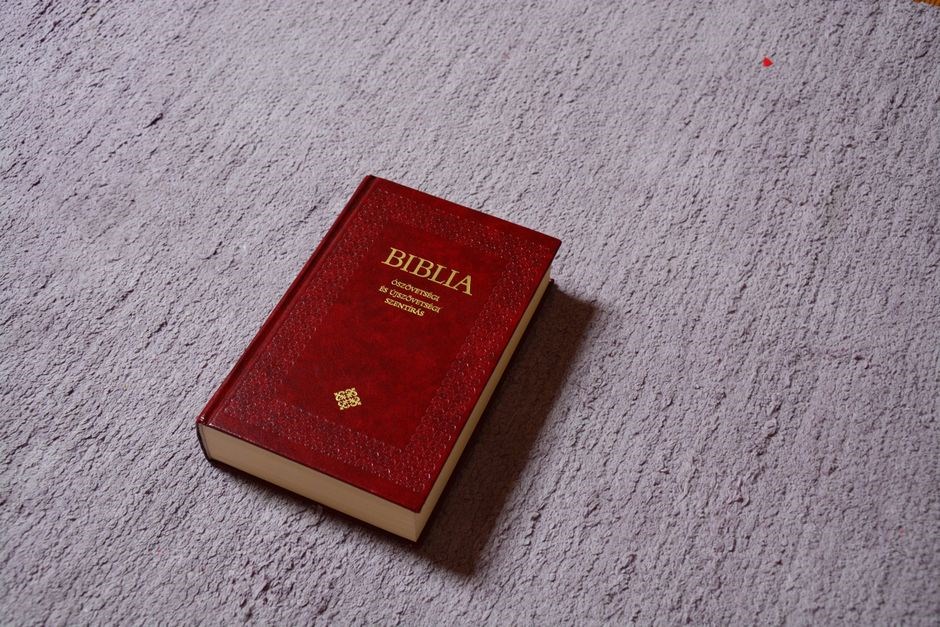
The Clementine Vulgate (1904) and Hentenauer (1907) are popular PDFs. Both editions feature clear layouts, extensive footnotes, and are freely downloadable from major repositories like the Internet Archive and Vatican Library. Its use in liturgy and scholarship remains unparalleled. and widely cited.
Clementine Vulgate and Hentenauer Editions
The Clementine Vulgate, issued by Pope Clement VIII in 1904, is the official Latin text for the Catholic Church. It refines Jerome’s translation with 16th‑century revisions, standardizing spelling and punctuation while preserving theological nuance. PDFs are freely available from the Vatican’s digital library and the Internet Archive, offering high‑resolution scans and searchable text. The layout features double‑column pages, marginal notes, and a comprehensive index for cross‑referencing.
Hentenauer’s 1907 edition refines the Clementine text with rigorous textual criticism, comparing Jerome’s manuscripts to Greek originals. The PDF includes an apparatus criticus, footnotes on variant readings, and a concordance for each book. Scholars use it for research in patristics and textual criticism. It is freely available from academic repositories such as the University of Leipzig’s digital archive and Bibliotheca Augustana. Its PDF is available in a searchable format for use.
Both editions are frequently cited in liturgical documents and academic studies. PDFs are available in multiple formats, including searchable text, OCR‑enabled scans, and annotated versions. Users can compare the two side‑by‑side, noting differences in wording and marginalia. The accessibility of these PDFs has renewed interest in Latin biblical studies, enabling clergy and laypeople to engage with the original text. It supports annotation tools and cross‑reference.
Legal and Copyright Considerations
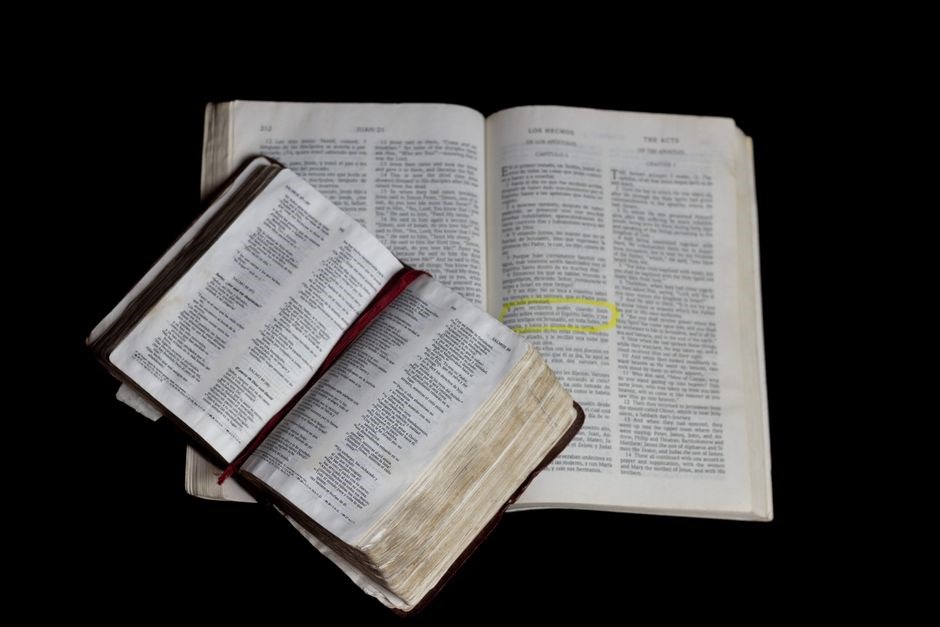
Vulgate PDFs are public domain; most editions pre‑1900. Use only Church‑released or licensed translations. Non‑English editions require permission; fair use applies for scholarly excerpts. Verify license before distribution. All PDFs are downloadable now!
Copyright in Non-English Editions and Fair Use
While the Latin Vulgate itself is in the public domain, many modern translations and editorial revisions—especially those in languages other than English—are subject to copyright law. Publishers often hold exclusive rights to the specific layout, commentary, and any added textual notes. Consequently, downloading or distributing a non‑English PDF that contains such proprietary material without explicit permission can constitute infringement. However, the doctrine of fair use—particularly in academic, research, or critical contexts—provides a limited exception. Scholars may reproduce short excerpts, such as a single verse or a brief passage, for purposes of analysis, comparison, or citation, provided that the use is non‑commercial, transformative, and does not undermine the market value of the original. In practice, many universities and research institutions obtain licenses that allow students and faculty to access full PDFs for internal use. For public dissemination, it is safest to rely on editions that are expressly released into the public domain or to seek the publisher’s consent. Additionally, some non‑English editions are available under Creative Commons or similar open‑license agreements, which explicitly permit sharing and modification under specified conditions. When in doubt, consult the copyright notice on the PDF, contact the rights holder, or use reputable repositories that clearly state the legal status of their files. Adhering to these guidelines ensures respectful use of the Vulgate while supporting the continued scholarly engagement with this foundational text.
Tools for Viewing, Annotating, and Research
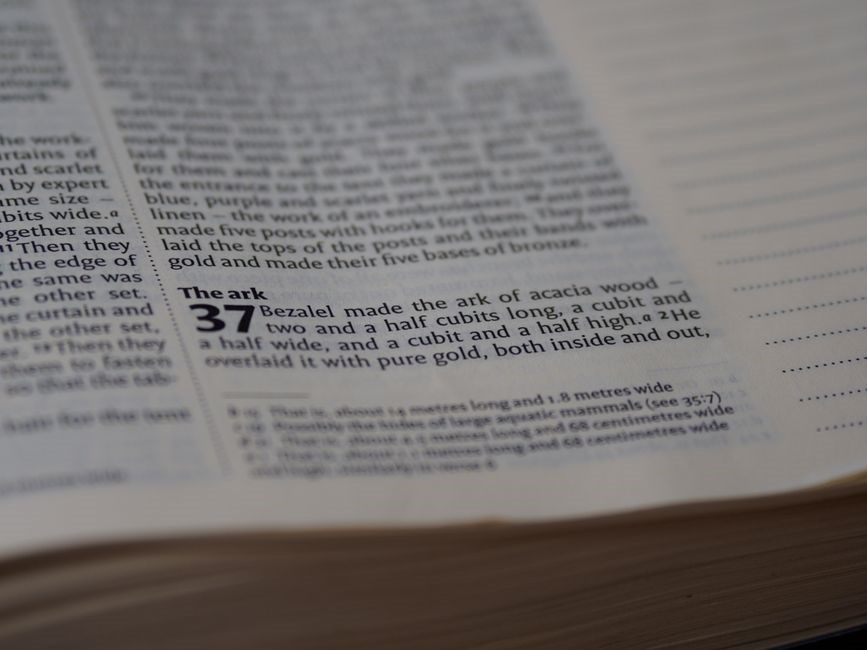
Adobe Acrobat Reader and Foxit Reader offer basic annotation. Logos and BibleWorks provide integrated Vulgate texts, commentaries, and cross‑reference tools. Internet Archive hosts searchable PDFs. Zotero and EndNote help manage citations for research.!!!
PDF Readers and Textual Criticism Software
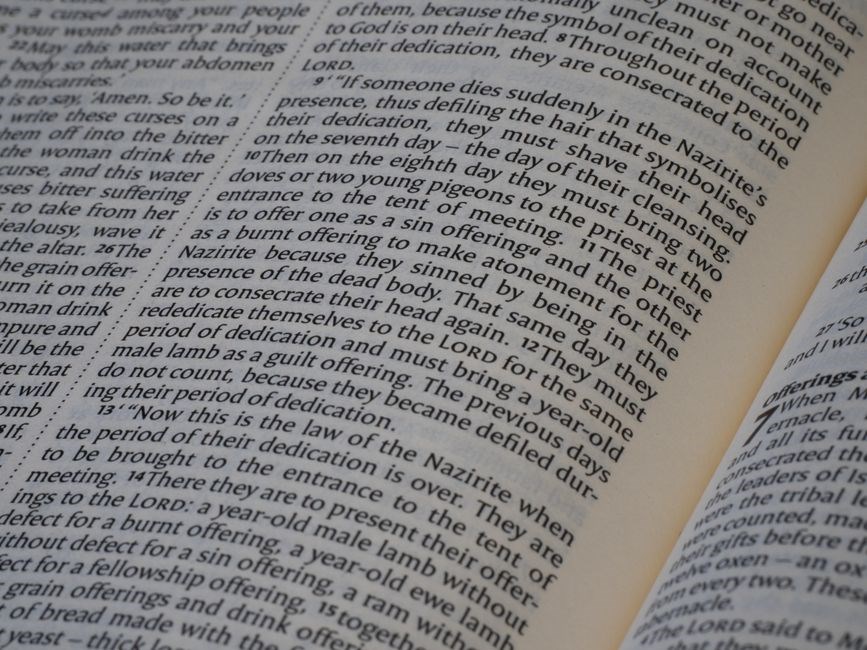
For scholars working with the Vulgate in PDF form, several tools combine robust rendering with scholarly features. Adobe Acrobat Reader DC remains the industry standard for viewing, highlighting, and adding sticky notes; its built‑in search can locate verses across multiple editions. Foxit PDF Reader offers a lightweight alternative with similar annotation capabilities and support for large files. For deeper textual analysis, the open‑source PDF‑to‑text converter Poppler can extract plain text, which can then be fed into specialized software. Logos Bible Software provides a dedicated Vulgate module, allowing side‑by‑side comparison with Greek and Hebrew texts, as well as integrated commentaries and lexicons. BibleWorks, though discontinued, still runs on legacy systems and offers a powerful interface for collating variant readings. The online platform BibleTools.org hosts a searchable PDF of the Clementine Vulgate, enabling quick reference and cross‑checking with other manuscripts. For collaborative annotation, the web‑based tool CollabPDF allows multiple users to comment on the same document in real time. Finally, the Zotero plugin for PDFs can tag passages, attach notes, and generate citations, making it invaluable for academic writing. These tools collectively support the rigorous demands of Vulgate textual criticism, from simple reading to complex manuscript comparison. Researchers often rely on these tools to cross‑reference marginalia, track textual variants, and collaborate across institutions, ensuring that the Vulgate remains a living document for future scholarship. Its digital presence enhances accessibility worldwide. It also supports research.

Community and Scholarly Engagement
Online forums such as Reddit’s r/Vulgate and scholarly platforms like Academia.edu host discussions, annotation projects, and textual criticism. Digital editions enable commentary, fostering a community that refines and contextualizes the Vulgate for modern readers. Scholars annotate, boosting accuracy ever
Online Forums, Research Projects, and Future Digital Trends
Digital scholarship around the Vulgate has surged. Communities on Reddit’s r/Vulgate and academic forums discuss textual variants, translation nuances, and manuscript provenance, often linking to free PDFs for collaborative annotation. Institutional projects like the Catholic Digital Library and Latin Library provide high‑resolution scans of early manuscripts, enabling side‑by‑side comparison of marginalia and scribal corrections.
Emerging trends involve machine‑learning collation tools that automatically flag variant readings across thousands of manuscripts. Projects such as the Textual Criticism Initiative use neural networks to predict missing passages and reconstruct lost codices. Blockchain is being explored for immutable provenance tracking, ensuring each PDF edition can be traced to its original source.

Open‑source platforms like GitHub host collaborative repositories where scholars upload annotated PDFs, share OCR correction scripts, and maintain version histories. This democratizes access and speeds peer review. As digital humanities mature, we anticipate integrated, interactive editions that combine hyperlinked commentary, multimedia explanations, and real‑time collaborative editing, making the Vulgate both a scholarly resource and an accessible public text.
In sum, the Vulgate’s digital future is shaped by community engagement, cutting‑edge technology, and a commitment to open access, ensuring that this foundational text remains vibrant for generations to come. Its influence endures, inspiring study worldwide for.
Leave a Reply
You must be logged in to post a comment.